

Microsoft Gold Partner with Global Expertise
Unlock the Power of Cloud: Build, Run & Manage Applications with Azure*
Develop cutting-edge apps using the up-to-date AI models available on Azure, trusted by 80% of fortune top 500 companies.
Schedule a Free Consultation
Microsoft Gold Partner with Global Expertise
Transform Your Organization with Advanced Data Integration, Real-Time Dashboards, and Scalable Analytics that Empower Smarter Decision-Making and Drive Enhanced Productivity.
Schedule IntelliFabric Demo Today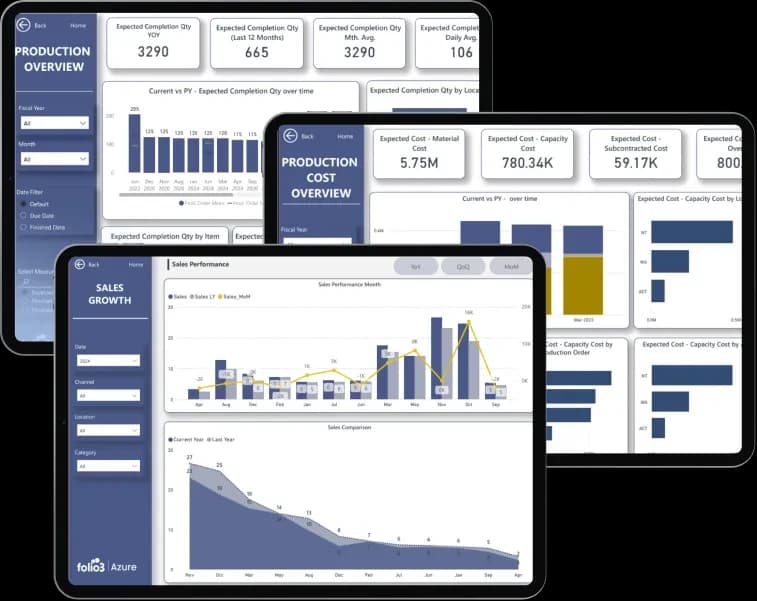
Microsoft Gold Partner with Global Expertise
Streamline recruitment, onboarding and HR operations with AI-powered Copilot agents and automation built on Microsoft Azure.
Achieve your AI Vision
Stats Speak for Themselves
Folio3 Achieves Microsoft Solution Partner Designations




Discover Cloud Opportunities
Our team of certified Azure experts can help you design, deploy, and manage cloud-based solutions that scale with your business and drive growth.
Azure Cloud Services
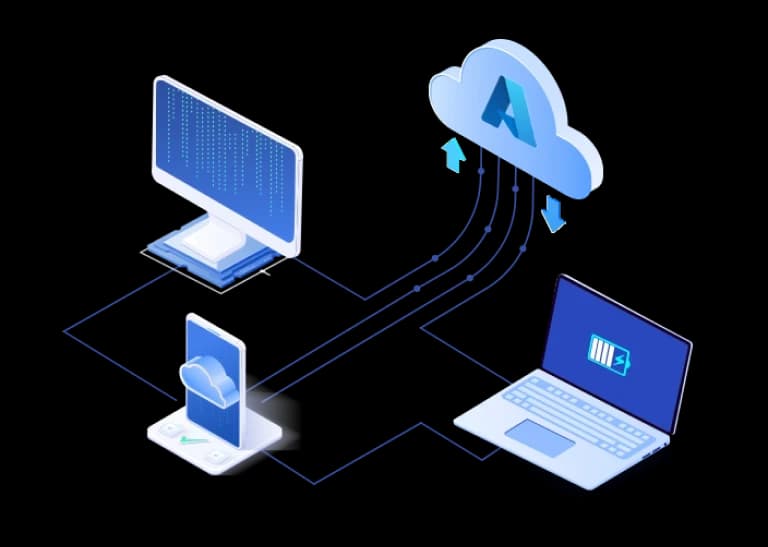
Seamlessly migrate, efficiently deploy, and manage your cloud infrastructure. From initial assessment to ongoing support, we deliver data-driven insights, and robust security frameworks to drive your digital transformation forward.
Explore Our Cloud Services










Our Industries
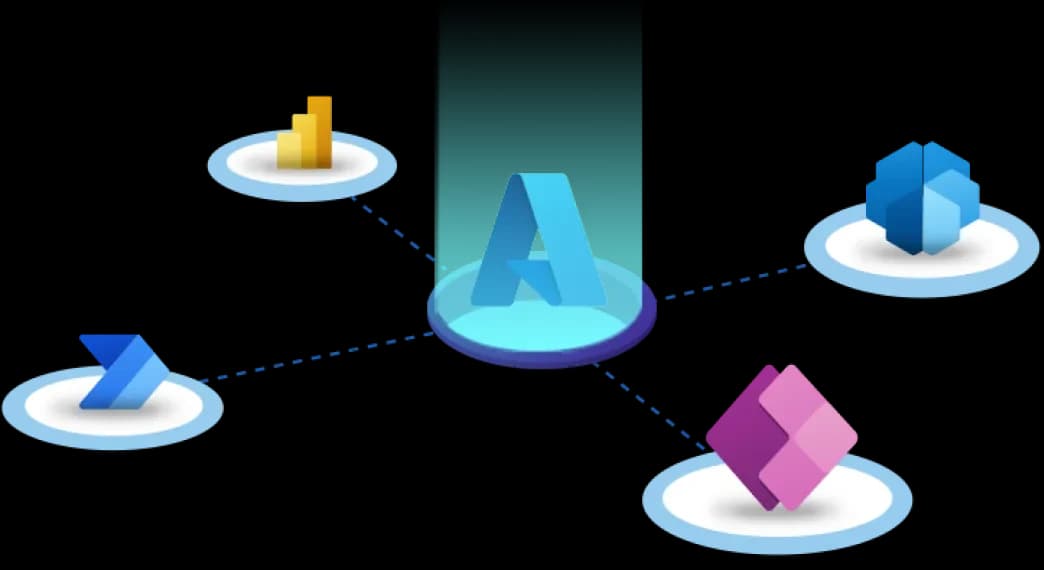
Microsoft Power Platform Services are designed to cater to the needs of a wide range of businesses and organizations, offering solutions for process automation, data analysis, and app development.

Media and Entertainment
Azure services enable media and entertainment organizations drive innovation and improve content delivery with advanced analytics, media services, and content delivery solutions.

Manufacturing
Azure services help manufacturing organizations optimize their operations, reduce their costs, and improve their product quality by providing them with advanced analytics and IoT solutions.

Healthcare
Azure services enable healthcare organizations securely manage, store, and analyze large volumes of patient data, while also improving patient outcomes and reducing healthcare costs.

Retail
Azure services help retailers drive innovation and improve their customer experience by providing them with advanced analytics, supply chain management, and e-commerce solutions.

Financial Service
Azure services assist financial services organizations improve their efficiency, reduce costs, and enhance customer experience by providing secured infrastructure and applications.
Awards &
Recognization










Your Next Big Idea Starts in the Cloud
Take charge of your cloud like never before and soar towards success with ease. Don’t let the complexities of cloud computing hold you back — unlock your full potential today!
Build Scalable Websites Seamlessly
With Azure, create scalable workloads that keep pace with your business. Host domains, deploy with ease, and leverage DevOps for greater efficiency.
Innovate Existing and Future Apps
Modernize and develop apps that work seamlessly across cloud and hybrid environments with Azure’s app services.
Build Mobile Experiences for Wider Audience
Build cloud-connected mobile experiences based on customer reviews and behaviors using AI and cognitive services.
Scale Your Business with Our Azure Professional Services
Don’t let the complexities of cloud computing hold you back — unlock your full potential with Azure today!
Get Started with Azure
Work With Top Microsoft CSP Experts
Folio3 is a proud Direct (Tier 1) Microsoft Cloud Solution Provider (CSP) offering a comprehensive suite of cloud and business applications licensing solutions, value-added services, and unparalleled support to businesses of all sizes.
Microsoft offers flexible pricing and licensing options for Microsoft 365, Microsoft Dynamics 365, Microsoft Azure, and Microsoft Power Platform, to suit your business requirements. Contact us to explore the affordable licensing plans, including user-based models, team member licensing, and additional add-ons that can enhance the functionality of your existing business solutions.
Ensuring Productivity, Agility, & Scalability.
Join us on the journey towards success

Productivity
Take charge of your cloud like never before and soar towards success with ease, backed by Azure’s productivity tooling.

Agility
Respond to change faster with scalable, cloud-native infrastructure that adapts to your business needs.

Scalability
Grow without limits — Azure scales compute, storage and data services on demand as you expand.

Our Process
Join Us on the Journey Towards Success

Schedule a Free Consultation
Schedule a Free Consultation
Looking to harness Azure at its maximum potential? Just book your 30-minute discovery call with our Azure experts and jumpstart your cloud journey with a personalized consultation session.

Choose the Services that’s right for you
Choose the Services that’s right for you
Our Azure consultants will listen to your business needs and guide you to the best service that fits your budget.

Meet with your new Senior-Level Expert
Meet with your new Senior-Level Expert
Sit back and leave the implementation process to our senior-level experts with years of experience and the latest Azure skills.

Let the Cloud Empower you
Let the Cloud Empower you
Experience tangible results with our seamless implementation strategies to help you achieve your goals and drive business success.
Explore Why Businesses Trust Folio3 To Fuel Growth
With Azure, you can now take charge of your cloud like never before and soar towards success with ease.
750+ Certified Developers
Our Azure experts handle the most complex Microsoft Azure infrastructure projects, delivering outstanding results every time.
Cloud-Centric Approach
Providing innovative, effective, and secure Azure solutions, ensuring your digital transformation journey is a success.
App Modernization Specialists
Extensive experience in modernizing legacy applications, helping businesses leverage the latest Azure technologies.
1,000+ Clients Worldwide
Our extensive client list speaks volumes about our expertise and commitment to delivering exceptional Azure solutions.
100+ Applications Supported
We have the expertise to help you leverage Azure for all your business needs, no matter how diverse they may be.
24/7 Support and Maintenance
Folio3 offers round-the-clock support and maintenance services to ensure that your Azure infrastructure is always up and running smoothly.
Real Results, Real Impact,
See How Our Customers Succeed


Your Common Queries Are Resolved
We believe in the power of the cloud to transform businesses and empower people.
Azure consulting helps businesses plan, build, migrate and manage workloads on Microsoft Azure — from strategy and architecture through implementation and ongoing optimization.
Microsoft Azure is a cloud computing platform offering compute, storage, networking, data and AI services on demand, billed by usage, across a global network of data centers.
Commonly used services include Virtual Machines, App Service, Azure SQL, Blob Storage, AKS, Functions, Azure AD, Data Factory, Synapse/Fabric and Azure OpenAI.
Azure spans IaaS, PaaS and SaaS, letting you choose the level of control and management that fits each workload.
As a Microsoft Solutions Partner with certified engineers across data, AI and infrastructure, Folio3 delivers end-to-end Azure solutions backed by 20+ years of experience.


Schedule a 1:1 Call Today
Get in touch with our team to solve your Azure queries.